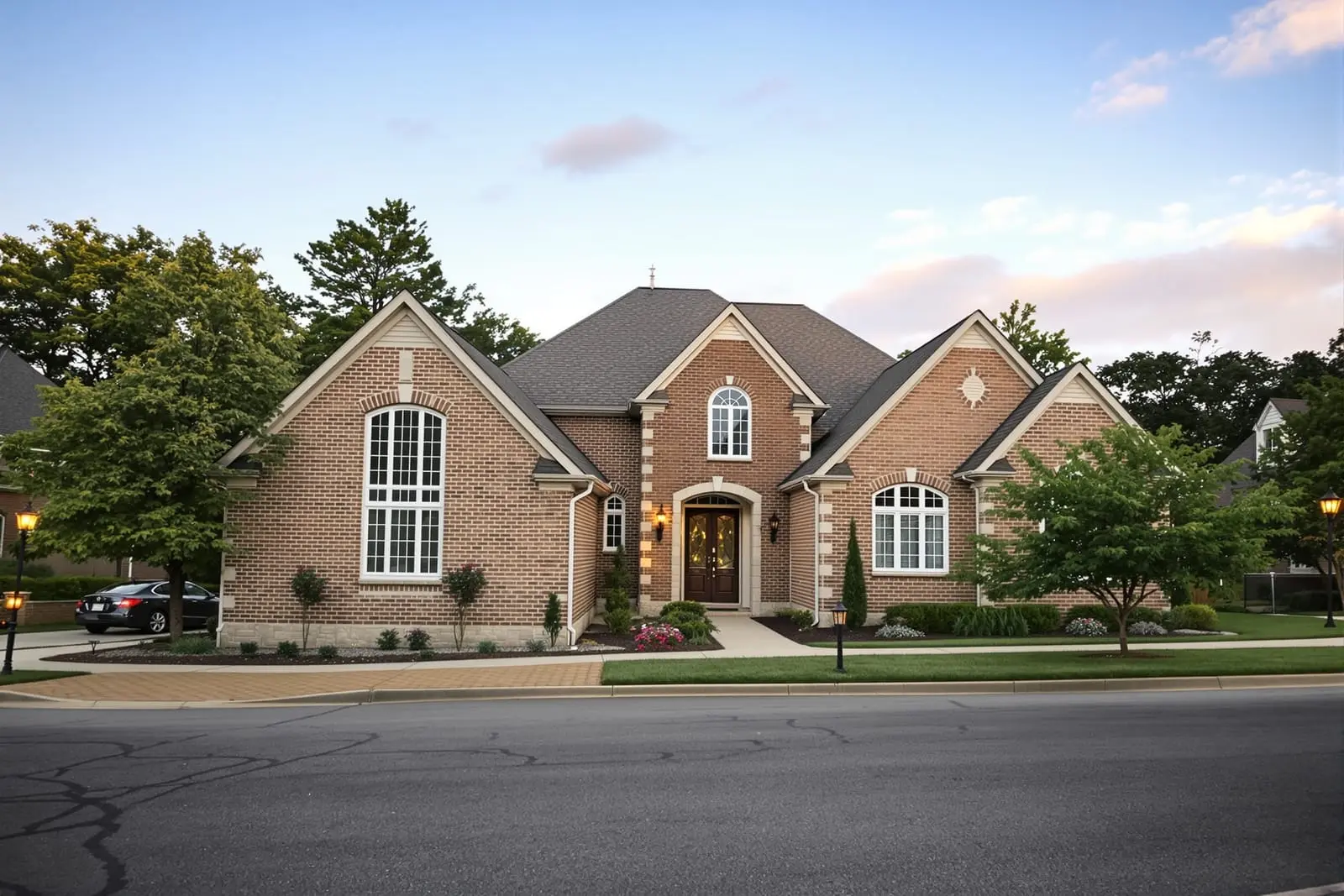
We provide expert brick veneer installation in St Petersburg, FL for both new construction and remodels. Brick veneer offers the look of full brick at a lighter weight and often lower cost. Our team carefully anchors and flashes each system for long term performance. Schedule a consultation to explore brick facing options for your home.
Premier Masonry St. Petersburg provides professional brick veneer installation throughout St Petersburg, FL and the surrounding area. Our licensed, insured crew delivers safe, clean, on-time work with a free estimate before anything begins. Call (727) 591-6598 or request your free quote.
Brick Veneer Installation for St Petersburg Homes and Businesses
Brick veneer installation is one of the most effective ways to give your property the look and durability of brick without the weight and cost of full masonry walls. At Premier Masonry St. Petersburg, we focus on veneer systems that are engineered for Florida’s heat, humidity, and coastal storms, so you get long-term performance as well as curb appeal.
Unlike structural brick, brick veneer is a non-load-bearing layer that attaches to a framed wall or existing masonry. Done correctly, it creates a ventilated, drained cavity that manages water and allows your wall system to dry out after our heavy summer rains. The details behind the brick are what keep paint from peeling, sheathing from rotting, and interior walls from developing mold.
Our team works on both residential and light commercial projects in and around St Petersburg. Whether you want to cover a block house with thin brick, add a feature wall to a condo, or renovate a storefront along Central Avenue, we design the veneer system around your specific building, not the other way around.
Our Step-by-Step Brick Veneer Installation Process
Every brick veneer installation by Premier Masonry St. Petersburg follows a defined sequence so there are no shortcuts hidden behind the finished surface.
1) Evaluation of existing walls: We start by examining your current exterior or interior substrate. For older block homes, we check for cracks, efflorescence, and loose paint. For wood framing, we verify that the sheathing is sound and that there is a continuous weather-resistive barrier in place. Any moisture damage is addressed before we attach new materials.
2) Moisture control and wall preparation: On framed walls, we confirm or install a code-compliant water-resistive barrier, flash all penetrations, and set weep screeds where needed. On block walls, we clean and, if necessary, parge or level the surface. In coastal St Petersburg neighborhoods, we pay special attention to flashing around windows, doors, and tie-ins with stucco, since wind-driven rain is common.
3) Attachment system: For full-depth veneer, we install corrosion-resistant brick ties or anchors into the structural wall on a defined grid. For thin brick veneer, we use either a metal lath and scratch coat system or a panel-based support system, depending on the design and budget. Stainless or hot-dipped galvanized fasteners are standard to handle our salty air.
4) Setting the brick: We snap control lines and set the first course perfectly level, since this dictates the look of the entire wall. We then lay the brick in the pattern you selected, maintaining consistent joints and checking plumb and level continuously. For thin veneer, we apply mortar or adhesive to the back of each unit or to the scratch coat, then press and align pieces so joint lines flow evenly around corners and openings.
5) Mortar joints and tooling: Once the units are set to initial cure, we fill joints and tool them to your chosen profile, such as concave, flush, or slightly raked. Joint profile affects how water sheds, which matters in our frequent afternoon thunderstorms.
6) Cleaning and detailing: After the mortar has firmed up, we clean the brick carefully to remove smears and haze without etching the surface. We then inspect control joints, weep areas, and transitions to siding, stucco, or stone to confirm everything is sealed and properly detailed.
7) Final walkthrough: We walk the project with you, explain how the veneer is attached, where water exits the system, and what maintenance is realistic in our climate so you know exactly what was done and how to care for it.
Brick Veneer Options That Work in St Petersburg’s Climate
Brick veneer is not one-size-fits-all, especially in a coastal Florida city. Premier Masonry St. Petersburg helps you choose materials that look right and perform well in our environment.
Full-depth veneer vs thin brick: Full-depth veneer uses standard brick units with a 1 inch air space and mechanical ties. It is heavier and requires a suitable foundation or structural support, but it offers a very authentic look and excellent durability. Thin brick veneer, typically 1/2 to 1 inch thick, can go on many existing walls with less added weight and is ideal for remodels, upper stories, and interior feature walls.
Clay brick vs concrete brick: Clay brick tends to have more color permanence and better resistance to fading under our strong sun. Concrete brick or manufactured thin brick can offer more varied textures and larger sizes, but some lines may benefit from a breathable sealer in coastal areas to slow color change and surface wear.
Colors and textures: In St Petersburg, we often install lighter and mid-tone blends that reflect heat, such as soft tans, creams, and weathered reds. Heavily textured or tumbled bricks hide minor salt spray residue and wind-driven dirt better than smooth, glossy surfaces. For modern homes, we can source long, linear thin bricks that create a sleek horizontal effect.
Patterns and details: Running bond is common, but we frequently use soldier courses over openings, rowlock sills at windows, and accented bands to break up large walls. On commercial facades, we might design a recessed panel or change in bond pattern to highlight signage or entryways without resorting to higher maintenance materials.
What Drives the Cost of Brick Veneer Installation
Homeowners often ask why two brick veneer projects of similar size can have very different prices. Premier Masonry St. Petersburg is transparent about how costs are built so you can make informed choices.
Scope and access: Straightforward single-story walls with good access are the most economical. Costs increase with multiple stories, tight side yards, roof tie-ins, or situations that require extensive scaffolding or lift equipment, which is common in narrow lots near Old Northeast and downtown.
Type of veneer: Full-depth brick veneer typically costs more than thin brick because of the additional material, support, and labor involved. If your existing foundation or structural wall must be modified to carry the weight, that will affect the budget as well.
Substrate condition: If your existing wall has failing stucco, water damage, or structural cracks, we must correct those issues before installing veneer. Ignoring them would trap problems behind the new surface, so we factor repair work into the proposal.
Brick and mortar selection: Premium clay bricks, specialty colors, and imported lines cost more than standard stock products. Mortars with integral color, high-performance additives, or custom mixes for coastal exposure have higher material costs, but they can be worthwhile in exposed locations such as waterfront properties.
Detailing and design complexity: Arches, corbels, banding, recessed panels, and intricate patterns require more layout and labor than simple running bond. If you want custom sills, extended caps, or integrated lighting features in the veneer, we design and price those as distinct line items.
Timing and scheduling: In St Petersburg, the busiest season for exterior masonry is typically October through April, when temperatures are moderate and afternoon storms are less intense. Scheduling well in advance for that window can lock in better logistics and sometimes better pricing than emergency or rush work in the peak of summer.
Local Climate Considerations: Heat, Humidity, and Coastal Exposure
Brick veneer that works in a northern climate can fail quickly in St Petersburg if it is not adapted to our conditions. Premier Masonry St. Petersburg designs every veneer system around three main concerns: heat, moisture, and salt.
Heat and sun: Our intense sun accelerates expansion and contraction. We incorporate properly spaced control joints and use mortars that can handle thermal movement without cracking excessively. For darker veneers, we pay extra attention to joint design and anchoring to manage the added heat load.
Humidity and rain: Afternoon thunderstorms, tropical storms, and long periods of high humidity mean your walls are routinely wet. We ensure there is a functioning drainage cavity that lets water that gets behind the veneer escape through weeps at the bottom. Proper flashing at windows, rooflines, and deck connections is non-negotiable, since this is where many Florida veneer failures begin.
Salt and coastal winds: Near the bay and waterfront, airborne salt accelerates corrosion. We use stainless steel or hot-dipped galvanized anchors, ties, and fasteners, even when minimum codes allow less. We also recommend specific brick and mortar combinations that stand up better to salt exposure and may suggest a breathable, vapor-permeable sealer for high-splash zones.
Hurricane considerations: Brick veneer is only as strong as what it is tied to. We coordinate with your engineer or contractor when necessary to confirm that anchor spacing, fastener embedment, and wall framing or masonry meet or exceed local wind load requirements. Our goal is not just to pass inspection, but to provide a veneer assembly that remains intact when storms move through the Gulf.
Common Brick Veneer Issues and How We Prevent Them
Many of the brick veneer problems we are called to inspect in St Petersburg trace back to poor preparation or rushed installation. Premier Masonry St. Petersburg structures its work to avoid those pitfalls from the start.
Water intrusion: The most serious issue is water that gets behind the veneer and has nowhere to go. Symptoms include interior staining, swollen baseboards, or musty odors. We prevent this by creating a drainage plane, installing weep holes or weep products at the base, and carefully flashing all transitions. During installation, we keep the cavity free of excess mortar that could block drainage paths.
Cracked or loose veneer: Veneer can crack or pull away if anchors are spaced incorrectly, if expansion joints are omitted, or if the substrate shifts. We follow manufacturer and engineering guidance for tie spacing and embedment, add control joints where geometry or sun exposure dictate, and inspect existing walls for movement before laying a single brick.
Efflorescence and staining: White salt deposits on brick are common in humid, coastal cities. They are usually cosmetic, but they can be minimized by selecting compatible brick and mortar, controlling water entry, and allowing the wall to dry. If efflorescence appears after installation, we use appropriate cleaning methods rather than harsh acids that can damage the brick or mortar.
Inconsistent appearance: Uneven joint sizes, wandering lines, and poorly blended color batches ruin the look of veneer. Our crews mix units from multiple pallets during installation to even out color variations, use story poles and layout lines to keep coursing consistent, and assign experienced masons to any highly visible facade zones like front entries and commercial storefronts.
What to Expect When You Work With Premier Masonry St. Petersburg
Choosing the right contractor for brick veneer installation is as important as choosing the brick itself. Premier Masonry St. Petersburg focuses on clear communication and workmanship that holds up in our local conditions.
Consultation and design: We start with a site visit, discuss how you use the space, review any existing issues with your walls, and look at sample boards or photos to understand your style. We then recommend veneer type, brick lines, and joint profiles that balance appearance, budget, and performance.
Detailed proposal: Your written proposal outlines substrate preparation, attachment methods, moisture management details, materials, and a realistic schedule. We note any optional upgrades, such as stainless hardware for extreme coastal locations or colored mortar for a specific visual effect, so you control where to invest.
Scheduling and installation: For exterior work, we plan around weather patterns as much as possible, especially during hurricane season. Our crews protect landscaping and hardscapes, control dust, and keep work areas tidy. We keep you updated if weather affects drying times or sequencing.
Post-install support: After completion, we review maintenance basics with you, such as how to safely clean the veneer, what to watch for around windows or rooflines, and when it might make sense to have us check the wall again. If you have questions months or years later, you are not dealing with a call center but a local masonry team that knows your project.
If you are in St Petersburg or nearby communities and are considering brick veneer installation, Premier Masonry St. Petersburg can evaluate your property, explain your options, and deliver a finished product that fits our coastal Florida reality as well as your design goals.
“
Professional brick veneer installation, done right the first time, quality materials, honest pricing, and results that last.