Home › Masonry Restoration and Historic Preservation
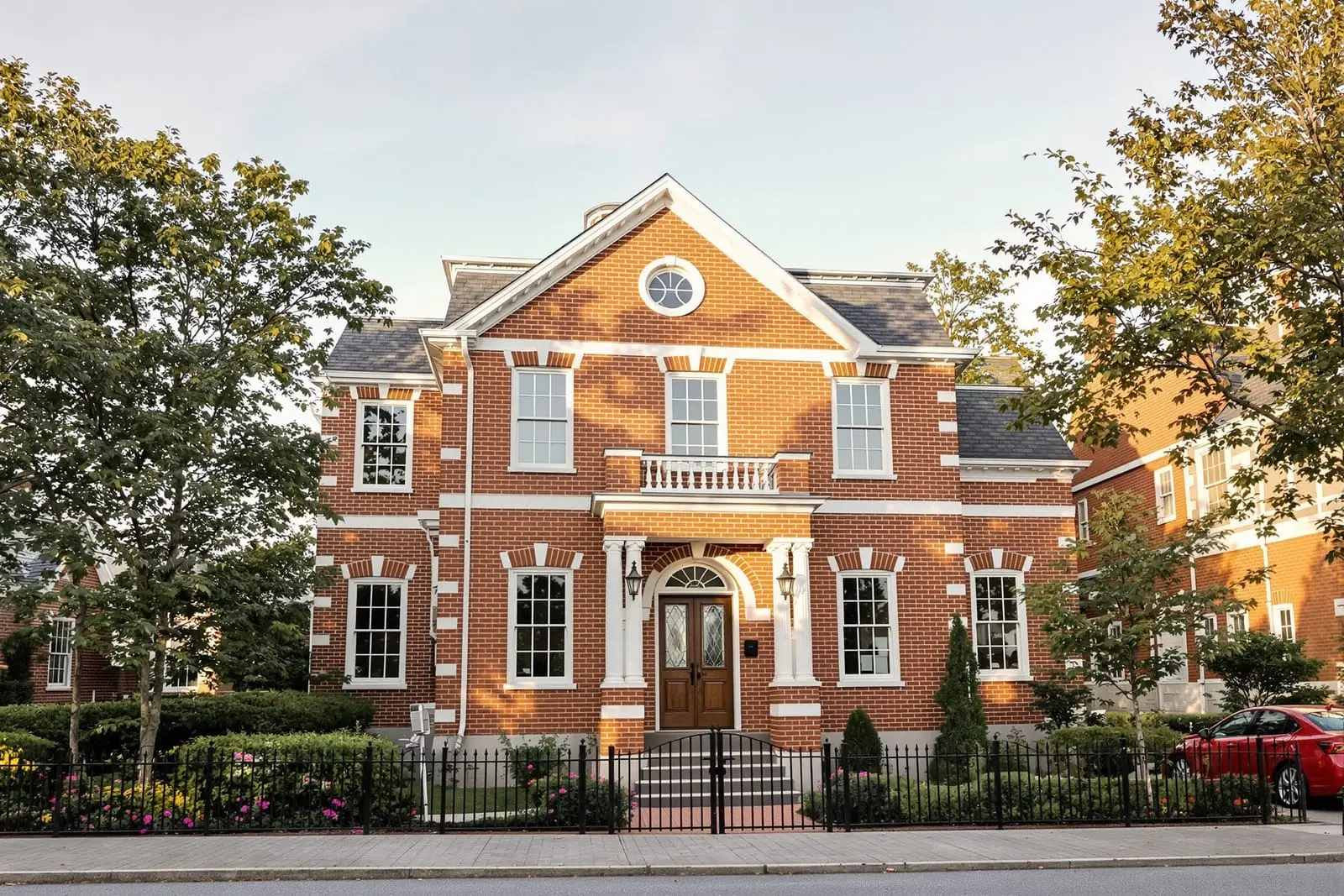
We provide masonry restoration and historic preservation services in St Petersburg, FL for older commercial and institutional buildings. Our team carefully matches original materials, mortars, and profiles while repairing or replacing damaged elements. From cornices and arches to full facades, we respect historic character while improving performance. Schedule a site visit to review your building.
Premier Masonry St. Petersburg provides professional masonry restoration throughout St Petersburg, FL and the surrounding area. Our licensed, insured crew delivers safe, clean, on-time work with a free estimate before anything begins. Call (727) 591-6598 or request your free quote.
Thoughtful Masonry Restoration for St. Petersburg Homes and Landmarks
St. Petersburg has a mix of 1920s bungalows, Mediterranean Revival homes, midcentury blocks, and historic commercial buildings, and each one we see at Premier Masonry St. Petersburg tells a different story. Masonry restoration is about keeping that story alive while making sure the brick, block, stone, or stucco can stand up to our coastal climate.
Our process always starts with a site walk and close inspection. We look for salt intrusion, hairline cracks, loose or spalling brick, deteriorated stucco, soft mortar joints, and signs of previous quick-fix patches that might be trapping moisture. On older properties in Old Northeast, Kenwood, and historic downtown blocks, we often find several generations of repairs layered over each other. Documenting what has been done before helps us decide what should stay and what needs to be reversed.
From there, we talk with you about your goals. Some owners want a historically accurate façade that matches old photos. Others just want the wall to be safe, watertight, and attractive without a museum-level restoration. Premier Masonry St. Petersburg explains the realistic options, so you know where it makes sense to invest and where a simpler solution will perform just as well.
We also factor in how close you are to the water and how much direct sun and driving rain your walls take. Masonry that is a few blocks from Tampa Bay or Boca Ciega Bay often needs different materials and sealers than homes farther inland. This local context is a big part of our planning, and it is why two homes of the same age across town may get different restoration recommendations.
How Masonry Restoration Actually Works (Step by Step)
Most projects follow a clear sequence, tailored to your specific building. Premier Masonry St. Petersburg breaks the work into manageable steps so you know what is happening at each phase.
1. Detailed assessment and testing. We tap bricks, blocks, and stones to detect hollow spots, probe mortar joints for softness, and check for efflorescence (that white, powdery salt residue). Where needed, we take small mortar samples for color and composition matching, and we may use moisture meters on suspicious walls.
2. Careful cleaning. Before we repair anything, we remove dirt, biological growth, failing paint, and incompatible coatings. On historic brick and soft stone we use low pressure washing combined with masonry-safe cleaners, and sometimes gentle hand scrubbing. Blasting is rarely appropriate for older St. Pete masonry and we avoid anything that could erode the surface or open up the pores too much.
3. Selective demolition and preparation. We remove only what is truly failed. That might mean cutting out loose bricks, chiseling out crumbling mortar joints to the proper depth, or taking down unstable sections of a parapet or chimney. We protect surrounding original material with masking, temporary supports, and catch platforms when we are working above entryways or walkways.
4. Repair, replacement, and rebuilding. Using the documented plan, we reinstall brick or block, repoint mortar joints, repair cracks, and rebuild compromised areas. On a typical St. Petersburg bungalow, this may involve brick replacement around settling porch piers, repairing cracked stucco at window headers, or stabilizing an aging chimney. On commercial or multifamily buildings, we often correct failing horizontal control joints and deteriorated balcony or stair tower masonry that has taken on water.
5. Finishing and protection. After repairs, we take care of color blending, joint tooling, texture matching, and, when appropriate, breathable sealing. We use vapor-permeable sealers that allow moisture to escape, which is particularly important in our humid, coastal environment. We can also coordinate repainting of stucco or concrete block so patched areas disappear visually into the rest of the façade.
At each step, we keep you updated with photos and clear explanations, especially when we uncover hidden conditions like concealed rusting lintels or rotted wood framing behind masonry.
Historic Preservation: Matching Old Materials and Details
Historic preservation requires more than simply patching cracks. When Premier Masonry St. Petersburg works on older St. Pete homes and landmark buildings, we treat original materials as resources to be conserved, not obstacles to be removed.
Mortar matching is a big part of this. Many pre World War II homes in St. Petersburg used softer lime-based mortars. If you repair them with modern high cement mixes, the bricks can start to crack or spall because the mortar is harder than the brick. We test hardness, observe sand color and texture, and create a compatible mix that is strong enough for modern needs but gentle on historic brick and stone.
Color and texture matching are just as important to the finished look. We source brick that matches the size and firing style of older units when possible, or we selectively harvest compatible brick from less-visible areas for use on the primary façade. For historic stucco, we sample and reproduce the original texture, whether it is smooth, sand-finished, or a more pronounced dash or Spanish style finish common on Mediterranean Revival homes.
Architectural elements get special attention. Corbelled brick courses, decorative window surrounds, columns, and parapet caps are measured, photographed, and re-created if they are too damaged to save. On some projects we work from old photographs provided by the owner to reconstruct missing features like arched entries or decorative bands that were removed in past remodels.
We also coordinate with local historic guidelines when needed. If your property sits in a designated historic district, certain changes must be documented or pre-approved. We help you understand what is typically allowed for masonry restoration, which materials are usually accepted, and how to present our scope if a board review is part of the process. The goal is a building that looks and performs like the original or better, while staying on the right side of local rules.
Common Issues in St. Petersburg Masonry and How We Fix Them
St. Petersburg’s combination of humidity, salt air, strong sun, and occasional storms causes a predictable set of masonry problems, especially on buildings from the 1920s through the 1960s. Premier Masonry St. Petersburg has seen most of them, and we have clear ways to resolve each one.
Water intrusion and efflorescence. When moisture enters a wall and then evaporates through the surface, it brings mineral salts along, leaving white stains and sometimes pushing the face of the brick off. We track down where the water is entering, which might be failing window sills, cracked stucco bands, gaps at rooflines, or porous unsealed capstones. Repairs can include repointing, re-sloping sills, resealing penetrations, adding drip edges, and applying breathable water repellents.
Cracked or bulging walls. Settlement, rusting steel lintels, or long-term water exposure can cause stair-step cracks or localized bulges. We determine whether the problem is cosmetic or structural. Minor cracks may be addressed with proper stitching and repointing. More serious bowing might require partial rebuilding, replacement of corroded steel, or the addition of anchors or ties that connect masonry back to the building’s structure.
Spalling brick and concrete. In coastal neighborhoods like Shore Acres, Snell Isle, and Coquina Key, freeze-thaw is less of a concern than salt exposure, but both can damage masonry over time. When the face of brick or concrete flakes away, we remove loose material, identify whether de-icing salts, salt air, poor drainage, or incompatible previous repairs are to blame, then rebuild with suitable materials and protective coatings where appropriate.
Failing stucco on block homes. Many St. Petersburg homes are concrete block with stucco. Hairline cracking, hollow sounding areas, and buckling around windows are common. We cut out loose sections, properly prepare the block, then rebuild the stucco in multiple coats, tying into existing work with joint detailing that helps control future cracking. If the home is older, we make sure the new stucco is compatible with any remaining original lime-based material.
Chimneys, parapets, and decorative features. These exposed elements catch the most weather and often fail first. We secure loose caps, replace cracked crowns, repoint joints, and add flashing or counterflashing to keep water out. Where a feature is beyond repair, we carefully document it and rebuild it to match the original appearance as closely as possible.
What Affects Cost and How to Choose the Right Masonry Contractor
No two masonry restoration projects cost the same, and Premier Masonry St. Petersburg is straightforward about what drives pricing so you can plan with fewer surprises.
Scope and accessibility are big factors. A ground-level brick repair along a driveway is simpler than a 3 story parapet restoration that needs lift equipment, staging, sidewalk protection, and more setup time. Historic replication, such as custom molding of decorative units or intricate tuckpointing work, also adds cost but might be important if you are preserving a distinctive façade.
Material choices have a direct impact too. Exact historic brick matches, specialty mortars, and high performance breathable sealers cost more than standard materials, but for many older St. Petersburg buildings they significantly extend the life of the repair. We walk you through good, better, and best options so you can balance budget and longevity.
Hidden conditions are another reality. It is common to uncover rusted steel lintels, decayed wood framing, or poorly done previous repairs once we open up a wall. To manage this, our proposals usually include clear allowances and unit prices for additional repair if needed, plus a plan for how we will communicate findings as we go. You see photos and options before we proceed beyond the agreed scope.
When choosing a masonry restoration contractor, focus on experience with older structures, not just new construction. Ask to see local projects similar to yours, especially those that are a few years old so you can see how the work is holding up. Check that they understand mortar matching, vapor permeable sealers, and the specific issues that come with coastal Florida masonry.
Premier Masonry St. Petersburg is happy to walk a property with you, explain what we see in plain language, and provide a written plan that separates immediate needs from long term improvements. Whether you are caring for a historic home in a designated district or simply want your block or brick home to stay solid and dry, we focus on practical, durable solutions that respect both your budget and your building’s character.
“
Professional masonry restoration and historic preservation, done right the first time, quality materials, honest pricing, and results that last.
Premier Masonry St. Petersburg
Masonry Restoration and Historic Preservation Across Our Service Area