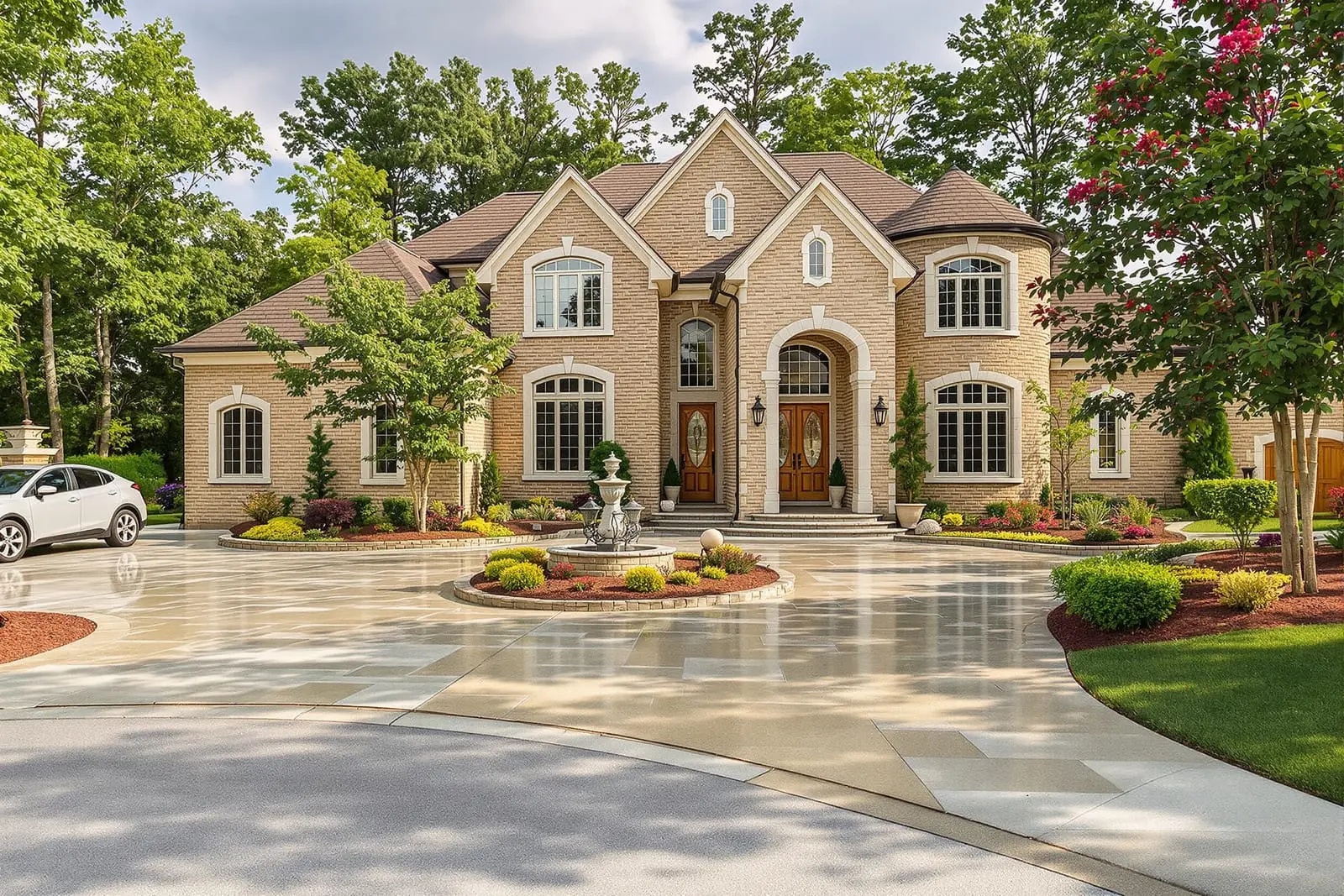
Our concrete and block masonry services in St Petersburg, FL cover everything from small CMU walls to full structural additions. We build straight, reinforced block walls with proper footing, grouting, and connections. Whether you need a new block garage, storage area, or privacy wall, we deliver durable concrete block masonry. Contact us to review your project plans.
Premier Masonry St. Petersburg provides professional concrete block masonry throughout St Petersburg, FL and the surrounding area. Our licensed, insured crew delivers safe, clean, on-time work with a free estimate before anything begins. Call (727) 591-6598 or request your free quote.
Concrete Block Masonry for St Petersburg Homes and Businesses
Concrete block masonry is at the heart of many strong and long‑lasting structures in St Petersburg. At Premier Masonry St. Petersburg, we focus on building and repairing concrete block walls, foundations, and structural elements that stand up to Florida’s heat, salt air, and sudden storms.
Concrete block masonry uses CMU (concrete masonry units) stacked in courses with mortar, reinforced as needed with steel and concrete grout. In our coastal climate, doing this correctly matters more than in many other places. Moisture, wind, and shifting soils in Pinellas County all affect how a block wall performs over time. Our approach is practical and local, based on what actually holds up in neighborhoods from Old Northeast to Gulfport.
Whether you need a new block addition, a structural wall for a renovation, or repair of a failing block wall, we plan every project around local codes, your specific soil conditions, and how the wall will be used, not just what looks good on paper.
How We Build Concrete Block Walls That Last in St Petersburg
A typical concrete block masonry project with Premier Masonry St. Petersburg follows a clear sequence so you know what is happening and why.
First, we assess the site. We look at existing drainage, nearby trees, existing cracks in your home or slab, and neighbor property lines. In many St Petersburg neighborhoods, older homes sit on shallow foundations or reclaimed land, so we check soil condition and any signs of settlement.
Second, we prepare the foundation or footer. For structural block walls, we usually dig and form a reinforced concrete footing, then place rebar per Florida Building Code and any engineer specifications. In low‑lying or soft areas near places like Shore Acres, we may widen or deepen the footing to prevent future sinking.
Third, we lay the block. We use level lines and story poles to keep each course straight and consistent. Mortar joints are checked for full contact, not just on the face. Vertical rebar is set in cells and tied into the footing steel. Those cells are later filled with concrete grout, which locks the wall together and greatly increases strength.
Fourth, we finish and protect. We tool joints for weather resistance, clean the surface, and then, depending on your design, we may apply stucco, paint, or a decorative veneer. On exposed exterior walls, we often recommend a breathable sealer that resists wind‑driven rain and salt spray without trapping moisture.
Concrete Block Options, Reinforcement, and Finishes
Concrete block masonry offers more flexibility than many homeowners realize. Premier Masonry St. Petersburg walks you through real options rather than defaulting to the same wall on every project.
Block type: Standard 8x8x16 CMU is common, but we also use lintel blocks, bond beam blocks, and half blocks for clean openings and corners. For privacy or screening walls around pools, we can incorporate decorative breeze blocks or split‑face units that add texture.
Reinforcement: In our region, the amount of steel and grouted cells is driven by wall height, exposure to wind, and whether the wall is structural. A single‑story interior partition may need minimal reinforcement. A backyard property wall in a windy corridor, or a load‑bearing wall in a home addition near the water, may require more steel and tie‑downs. We design reinforcement to meet or exceed Florida Building Code and applicable wind load requirements.
Finishes: You can leave block exposed, apply stucco with different textures, or add stone or thin brick veneer. For many St Petersburg homes with mid‑century or bungalow character, we often match existing stucco texture so the new block work blends into the original structure. For commercial projects, we sometimes specify architectural block so color and texture are integrated into the unit itself, reducing future maintenance.
Local Codes, Permits, and Inspections for Concrete Block Work
In St Petersburg, many concrete block masonry projects require permits, especially anything structural or over certain fence and wall heights. Premier Masonry St. Petersburg regularly works with the City of St Petersburg Building Department, so we know what typically triggers review.
If your project involves changing or adding structural block walls, supporting a roof, or altering openings like doors and windows, a building permit and often structural drawings are required. For simple low garden walls, permitting may be less involved, but zoning and property line issues still matter.
We help coordinate permit drawings, including any engineered details for reinforcement, footer sizes, and connections. Once work begins, there are key inspections to pass, such as footing inspection before concrete is poured and structural inspections before cells are fully grouted. We schedule these inspections with the city and meet the inspector on site so you are not left guessing about the process.
In many HOAs and historic districts such as parts of Old Northeast, there may be additional rules on wall height, finishes, or appearance. We can help you assemble the information your HOA or review board will ask for, such as block type, finish samples, and location sketches.
Common Concrete Block Masonry Problems in Our Area and How We Fix Them
Our repair work across St Petersburg has shown the same concrete block issues appearing again and again. Understanding why they happen helps you avoid repeating the same problems.
Cracks from settlement: Older homes and walls built on poorly compacted fill often develop diagonal or stair‑step cracks in the block joints. We do not just smear mortar over them. We first determine if the movement is active, then, if needed, underpin the footing, add new reinforced pilasters, or rebuild a section with proper steel and grout.
Moisture intrusion: Wind‑driven rain and no weep paths can let water travel through unsealed block, especially on walls facing Tampa Bay storms. We address this with proper exterior coatings or stucco, repair of control joints, and in some cases, interior drainage and vapor barrier upgrades.
Rusting reinforcement: In older construction, poorly covered rebar can corrode, swell, and spall the concrete block surface. Where this occurs, we carefully remove damaged areas, clean or replace corroded steel, and patch or rebuild with updated materials that provide better cover and protection.
By focusing on the root cause rather than only the visible symptom, Premier Masonry St. Petersburg aims to give you longer‑term solutions, not repeated patch jobs every rainy season.
What Affects Cost for Concrete Block Masonry in St Petersburg
Concrete block masonry pricing is influenced by several specific factors. Knowing them helps you compare estimates accurately instead of only by the bottom line.
Site access: Tight alleys, limited parking, or protected landscaping can increase labor time and may require more hand work instead of equipment. In older downtown St Petersburg lots, moving block, concrete, and grout sometimes requires more crew hours simply to get materials in and out.
Foundation conditions: If existing slabs or footers are undersized, cracked, or poorly located, we may need additional excavation, thicker footings, or engineered details. This is especially common in low areas prone to flooding, where stronger foundations are worth the extra upfront cost.
Reinforcement and height: Taller or load‑bearing walls require more rebar, grout, and inspections. A simple 4‑foot garden wall is not built like an 8‑foot structural wall supporting a roof. The material difference is significant and should be spelled out on your proposal.
Finishes and detailing: Stucco, paint, veneer, and decorative block patterns add labor but also transform the look and durability. Instead of a single lump sum, our proposals from Premier Masonry St. Petersburg typically break out structural block work and finish options so you can see where your money is going and adjust based on your priorities.
What to Expect When You Hire Premier Masonry St. Petersburg
When you contact Premier Masonry St. Petersburg about concrete block masonry, we start with a site visit, not a guess over the phone. We measure, photograph existing conditions, and talk through how you intend to use the space or wall. For example, a backyard block wall near a pool may need privacy but also airflow and corrosion‑resistant materials.
Next, we provide a written scope that lists block type, reinforcement plan, footing details, and finishes, along with any anticipated inspections or engineered drawings. We want you to be able to hand our proposal to a neighbor, contractor, or HOA and have it make sense.
During the work, you will see clear stages: layout and excavation, footing pour, block laying, reinforcement and grouting, then finishes and cleanup. We keep noise and debris controlled, coordinate with neighbors when access crosses property lines, and protect adjacent driveways and plantings.
At completion, we walk the project with you, explain where reinforcement and control joints are located, and discuss simple maintenance such as repainting stucco or resealing exposed block every several years. Our goal is that your new concrete block masonry not only looks solid on day one but stays that way through St Petersburg summers, storms, and everyday use.
“
Professional concrete and block masonry, done right the first time, quality materials, honest pricing, and results that last.
Premier Masonry St. Petersburg
Concrete and Block Masonry Across Our Service Area