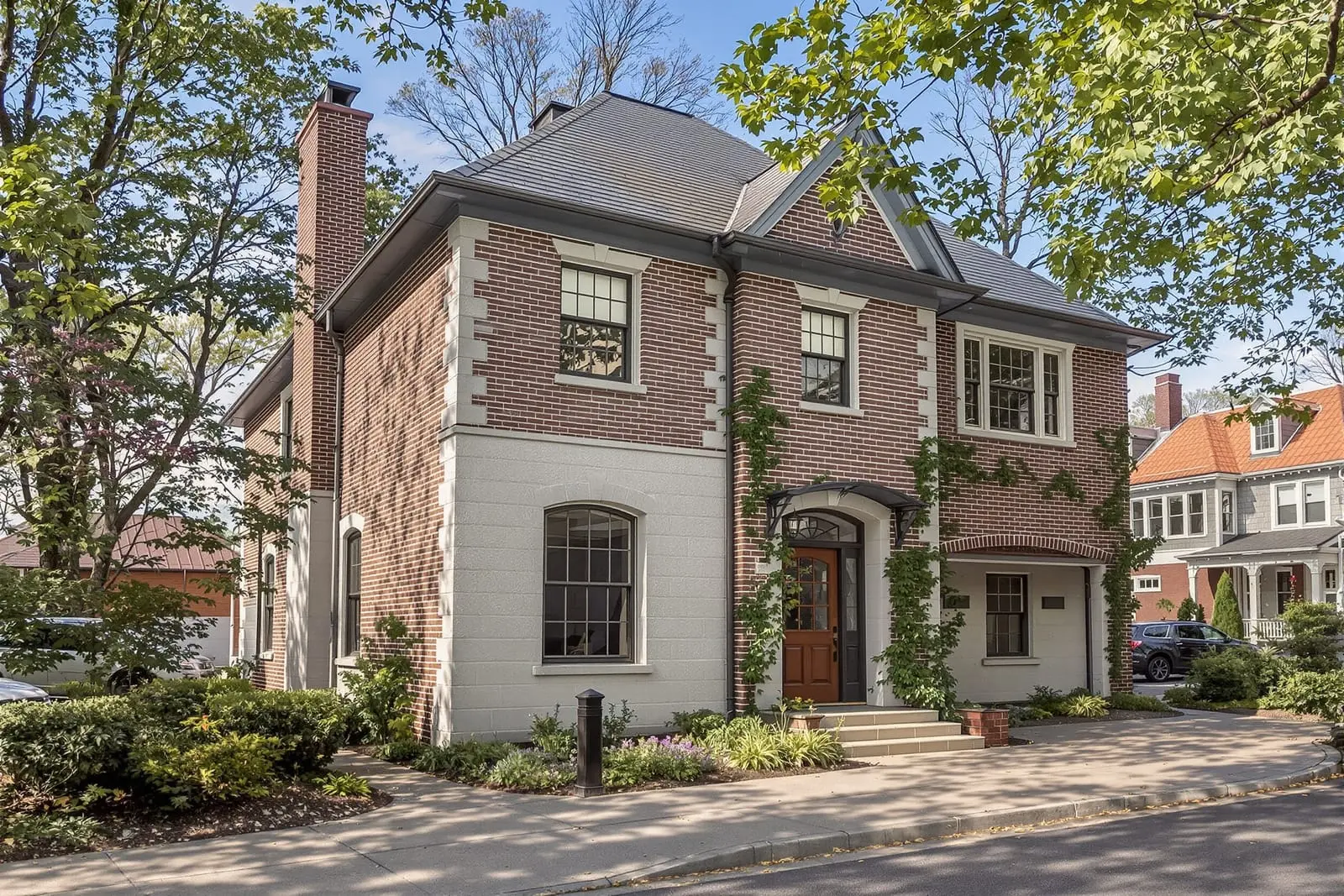
We offer commercial tuckpointing and masonry repair in St Petersburg, FL for offices, schools, warehouses, and more. Our crews safely access elevations, remove failed mortar, and repoint large wall areas efficiently. We also repair cracked units, seal joints, and address water entry. Schedule a building survey to prioritize repairs and extend the life of your masonry.
Premier Masonry St. Petersburg provides professional commercial tuckpointing throughout St Petersburg, FL and the surrounding area. Our licensed, insured crew delivers safe, clean, on-time work with a free estimate before anything begins. Call (727) 591-6598 or request your free quote.
Commercial Tuckpointing in St Petersburg: What It Really Involves
Commercial tuckpointing is the process of removing failing mortar from between bricks or blocks and installing new, properly tooled mortar joints so the wall is weather tight and structurally sound again. At Premier Masonry St. Petersburg, we focus on what Florida’s coastal climate does to masonry, then choose methods and materials that can actually hold up here.
A commercial tuckpointing project typically starts with a close inspection of your building’s masonry. We walk elevations, use binoculars for higher sections, and, on larger properties, coordinate lift access or rope work. We look for open joints, hairline cracks, mortar that is soft or sandy when scraped, and bricks that are spalling or powdering from salt and moisture. On waterfront and downtown properties we pay extra attention to wind-driven rain paths and areas that stay shaded and damp.
Once we know the condition of the wall, we match the existing mortar as closely as we can. That means testing hardness, looking at sand color and grain size, and identifying whether you have older lime-rich mortar or harder modern cement mixes. Matching matters on commercial work because a mortar that is too hard or too soft compared to the original can cause bricks to crack, especially with the daily heat cycles we see in St Petersburg. We also consider exposure, such as parking garage walls or coastal facades that get salt spray.
During removal, we use grinders with dust control or hand tools, depending on how delicate the masonry is. We cut or rake out deteriorated mortar to a proper depth, usually around 2 to 2.5 times the width of the joint, and clean the joints of dust so the new mortar can bond correctly. This is one of the steps that separates professional tuckpointing from quick patch work. Shallow or dirty joints may look fine at first but break loose within a season.
The new mortar is installed in lifts, packed firmly so there are no voids. We then tool the joints to match the existing profile, such as concave, V-joint, or flush, so the repaired areas blend with the original construction. For commercial properties, we are careful about consistent joint lines along long walls and around window bands so the building does not end up with a patchwork look when the sun hits it. After curing, we clean the surface gently to remove residue without damaging brick faces or existing coatings.
Masonry Repair for Commercial Buildings: Typical Issues We See Locally
Commercial masonry repair in St Petersburg covers more than just the mortar joints. At Premier Masonry St. Petersburg we regularly deal with cracked bricks, failing CMU block walls, loose parapets, leaking window heads, and damaged control joints that let water into the structure.
One common issue is water intrusion around window sills and shelf angles. The brick or block may look fine from the parking lot, but close up you see step cracking above openings, rust stains, and hairline gaps where caulk has failed. We open up those areas, cut out cracked units, assess whether hidden steel lintels are rusting, and, if needed, clean and recoat the steel or replace it before rebuilding the masonry. In our climate, ignoring rusting steel usually means a much more expensive repair a few years later.
Another frequent problem is movement cracks at building corners and in long expanses of wall. These often trace back to missing or failed expansion joints. We evaluate whether the crack is structural, such as foundation movement, or mostly thermal and shrinkage related. For thermal cracks, we may cut in new control joints, rework the joint spacing, and use the right commercial sealants so the wall can move slightly without new cracks forming. For structural issues, we coordinate with engineers and follow stamped repair details, especially on multi-story and mixed-use buildings.
Along the waterfront and in industrial areas, we also see spalling brick faces and deteriorated block from salt exposure. In those cases, simple tuckpointing is not enough. We may need to remove and replace damaged units, use breathable water repellents on repaired surfaces, and adjust the mortar design so it performs better in a salt-heavy environment. On some properties, such as hotels and condos, we schedule this work in phases, working from staging areas that minimize impact on guests and residents.
Commercial masonry repairs often involve working above entrances, loading docks, and busy sidewalks. Our crews set up containment where needed, use debris netting, and work with property managers to time noisy or disruptive work outside of peak business hours. Proper planning like this matters more on commercial jobs than the repair itself, because you still need your building to function while the masonry work is happening.
Step-by-Step: How We Execute Commercial Tuckpointing and Repair
Premier Masonry St. Petersburg follows a straightforward, repeatable process so commercial tuckpointing and masonry repair is predictable for owners, managers, and GCs.
1. Site assessment and documentation. We walk the property with you or your representative, photograph all elevations, and mark problem areas on elevation drawings or aerials. On larger sites, we may break the building into zones and assign priorities based on severity and risk of water entry.
2. Testing and mockups. Before committing to a full facade, we perform a small test area. This includes mortar color and joint profile, cleaning method, and, when needed, a trial of breathable water repellent or sealer. The mockup lets you see exactly how the work will look from the street and gives us a chance to fine-tune the mix so the repair does not stand out as a bright patch when the sun hits it.
3. Access and safety planning. For multi-story commercial tuckpointing we determine whether swing stages, boom lifts, or scaffolding make the most sense. We plan protection for windows, landscaping, vehicles, and pedestrian routes. On downtown St Petersburg projects we also coordinate with building management on deliveries, staging areas, and noise windows so the work does not disrupt tenants or retail operations.
4. Mortar removal and joint preparation. Our crews work in logical sections so the building remains watertight at the end of each day. We cut or rake out failed joints, blow out dust, and lightly dampen the joints before packing new mortar. Damping is important in our heat so the brick or block does not pull water out of the fresh mortar too fast, which can weaken the bond.
5. Installation, tooling, and curing. We fill joints carefully, then tool them at the right stage of set so they have the correct density and finish. We monitor weather and wind. In direct summer sun we may shade the work area or adjust work hours so mortar does not flash dry. After initial cure, if part of your scope, we apply sealers or coatings according to manufacturer recommendations for Gulf Coast conditions.
6. Final cleanup and punch list. When a zone is complete, we perform a walk-through with you, address any joints or units you want adjusted, then provide a summary of what was done, including photos. For property managers, this documentation is useful when budgeting for future maintenance on other elevations or buildings in the same complex.
Costs, Bidding, and What Affects Pricing for Commercial Tuckpointing
Commercial tuckpointing and masonry repair pricing in St Petersburg is driven by access, height, and how much of the wall actually needs attention. At Premier Masonry St. Petersburg we do not guess from the curb. We assess the true condition of the walls so our numbers reflect real work, not allowances that lead to change orders later.
The first major cost factor is access. A single-story retail strip with easy lift access will cost less per square foot than a mid-rise office that requires swing stages, street permits, and overnight setup. Cornices, balconies, and parapet walls also add cost because they are slower and more detailed. If we need to work over glass storefronts or high-traffic entrances, we may need custom protection and off-hours scheduling, which has labor implications.
The second factor is depth and extent of deterioration. Shallow joint repairs in otherwise solid brick or block are one level of cost. When we find widespread loose masonry units, rusted lintels, or damaged structural block that requires removal and replacement, the labor and material budget changes quickly. This is why we often propose a limited initial probe phase on older buildings, so we can verify conditions before you lock in a full project scope.
Material choices also affect cost, although to a lesser degree than access and labor. Matching historic mortar, using specialty color blends, or installing high-performance sealants at control joints can add to the material cost but often reduce maintenance or callbacks later. For coastal properties, we may recommend more robust joint sealants and breathable water repellents, which have a higher upfront price but can delay the next cycle of repairs.
On the administrative side, commercial projects often involve additional requirements such as certificates of insurance with specific limits, detailed safety plans, and coordination with other trades. We factor that into scheduling so your project runs smoothly rather than rushed. For multi-building properties, we can phase work to match your budget cycle, starting with the elevations that are actively leaking or that pose life safety risks.
When you request a proposal from Premier Masonry St. Petersburg, expect an itemized scope. We separate tuckpointing from unit replacement, control joint work, coatings, and optional add-ons like balcony edge repairs. This level of detail allows you to compare our proposal with others and adjust the scope without losing track of what is included.
What St Petersburg Property Owners Should Know Before Hiring
Before you hire a contractor for commercial tuckpointing or masonry repair, there are a few St Petersburg specific points that can protect your building and your budget.
First, ask how the contractor will handle coastal weather and salt exposure. For properties within a short distance of Tampa Bay or the Gulf, mortar selection, joint detailing, and sealant choices matter more than they do inland. Premier Masonry St. Petersburg designs repairs with those exposures in mind and can show you completed local projects with similar conditions.
Second, confirm how your building will remain watertight during work. Our thunderstorms can show up quickly, and open joints are weak points during a sudden downpour. We phase our work so open areas are closed up each day, and we keep materials on hand to temporarily cover vulnerable areas if the forecast changes. Ask any contractor what their rain plan is, not just their ideal weather plan.
Third, make sure they understand how their repairs might affect future repainting or coatings. In this region, many commercial buildings are painted masonry. The wrong mortar or cleaning method can lead to peeling paint or mismatched textures later. We coordinate with your paint contractor or facility manager so that tuckpointing and repairs set you up for a successful coating, not extra prep.
Also look for clear communication and documentation. For a single retail storefront, that may be a short scope and a few photos. For a medical office, condo, or multi-building campus, it should include elevation maps, progress updates, and a final closeout package. Premier Masonry St. Petersburg builds this into our process so property managers have something to show ownership and insurers.
Finally, consider future access and maintenance. If your building has areas that are very difficult to reach, it can make sense to address all known issues on that elevation at once instead of doing a small patch now and another mobilization in a year. We can help you map out a practical maintenance schedule that reflects how Florida weather ages masonry so you are not surprised by new problems right after finishing a project.
“
Professional commercial tuckpointing and masonry repair, done right the first time, quality materials, honest pricing, and results that last.
Premier Masonry St. Petersburg
Commercial Tuckpointing and Masonry Repair Across Our Service Area